Mix-ups
Why throughput is not cycle time
Two meters hang over the same bay. One is a rate: wafers finished per hour on a tool, or wafers finished per week in the factory. SEMI equipment-productivity practice — E79, using the E10 time states — treats that rate as a machine result. The other is a duration: the clock from release to completion for a lot. Factory talk calls that cycle time. They share wafers. They do not share a unit.
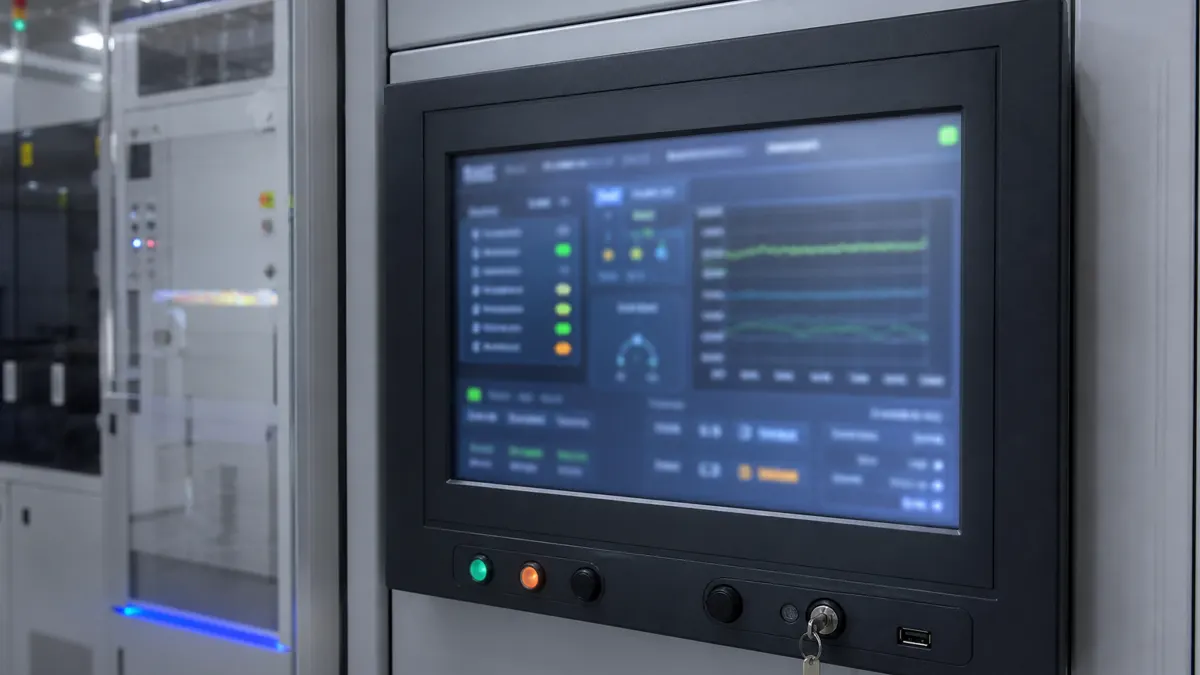
Throughput is how fast a station empties. A process of record quotes wafers per hour for a recipe and a configuration. A good hour on a constraint looks like a full chuck, a short idle, and a rising count. Capacity models eat the number. Dispatch uses it to decide whether the bay can take more work. The screen is about the tool.
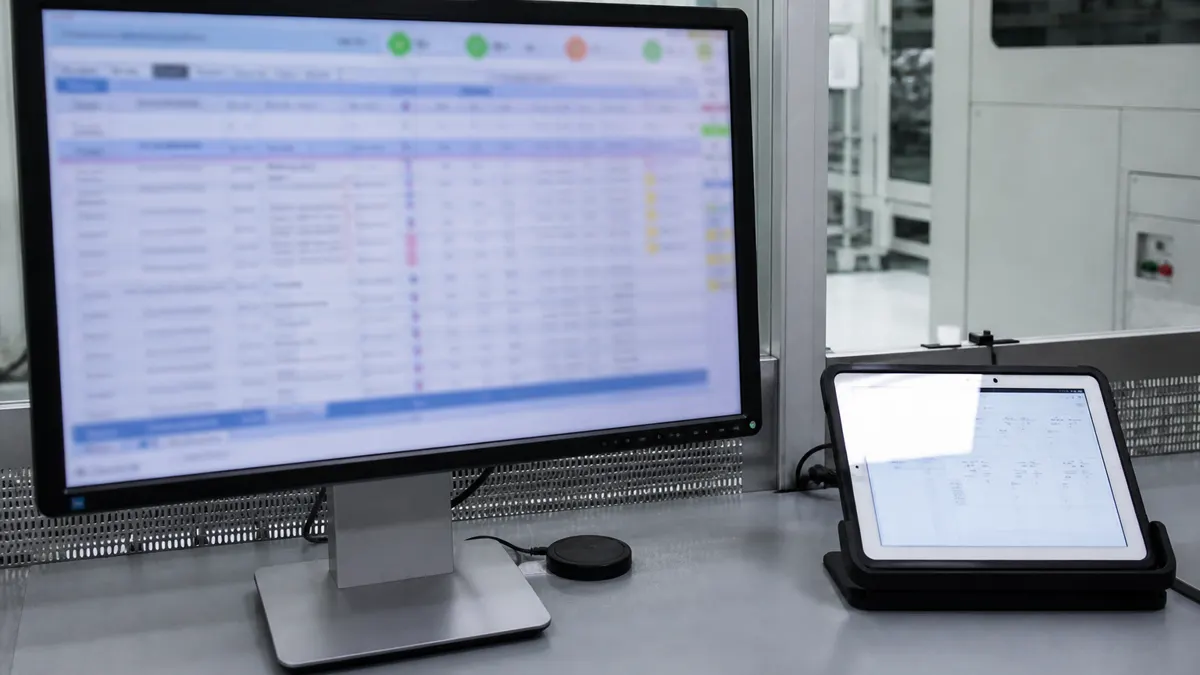
Cycle time is how long the lot was in the building. Most of that clock is not process. It is queue, transport, and wait for a batch or a setup. Factory operations still write Little’s relation the same way the rest of operations research does: work in process is throughput times cycle time. A fat WIP at a steady rate is a long stay. Raw process time is only the sum of the recipes. Flow factor — cycle time over that sum — is how much of the stay was waiting. The lot does not care that the etcher’s hour was busy.
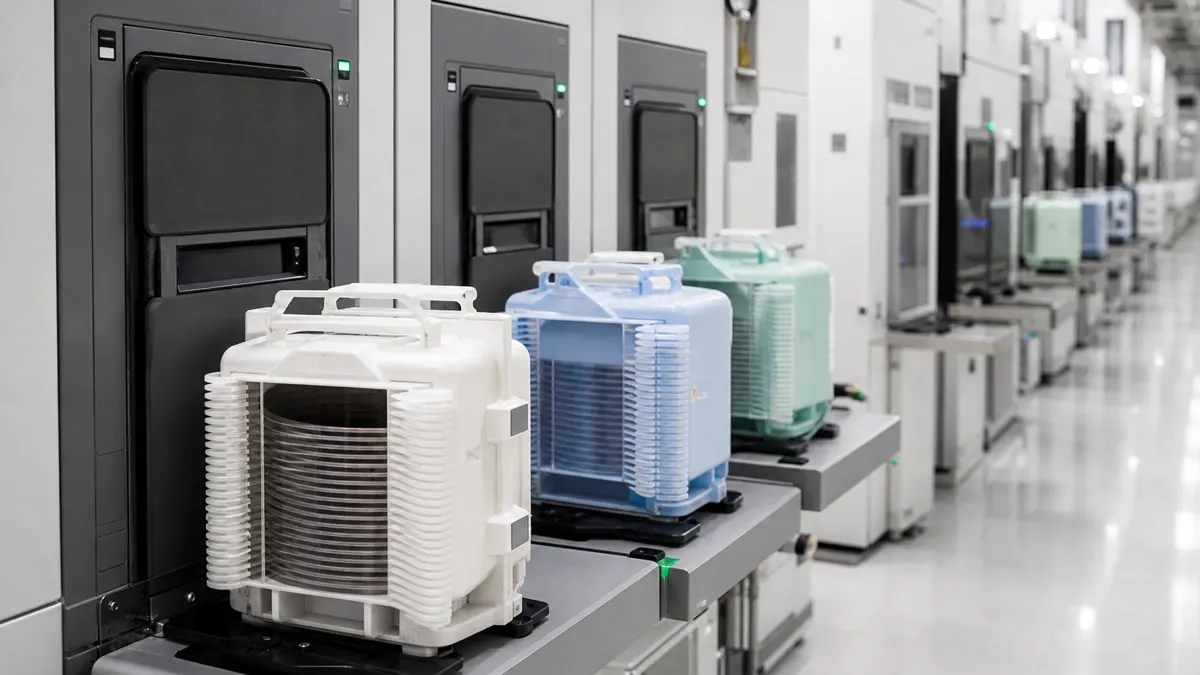
People collapse the two when both look like speed. “The line is moving” might mean the polisher’s hour was full. It might mean lots are exiting on the planned clock. A start surge can lift tool throughput while those same lots take longer to finish. A hot lot can show a short stay on a line whose average rate did not change. SEMI factory-level productivity talk keeps equipment rate and factory time on separate sheets for that reason.

The instructive case is a hot tool. The constraint can run a strong wafers-per-hour and still be why lots age. Every extra cassette in front of it is time the lot is in the line and not in the recipe. Raising the tool’s rate can shorten the queue. Filling the queue so the rate never dips lengthens the stay. Both moves get called running the constraint hard. Only one of them is a cycle-time action.
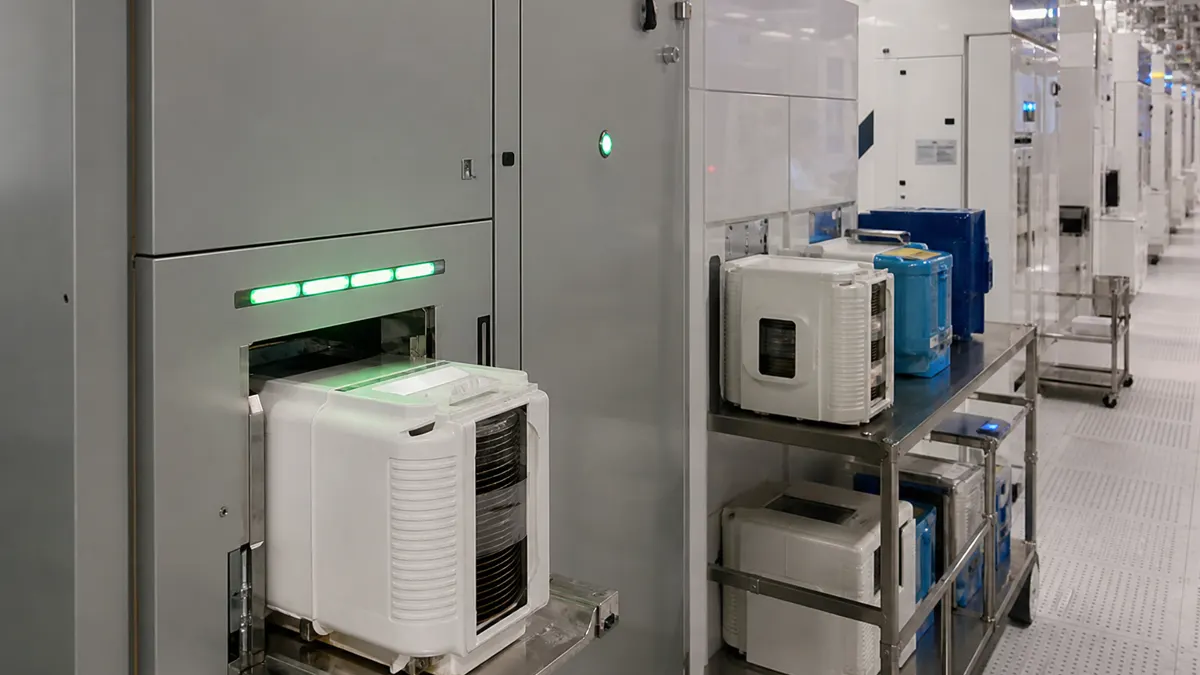
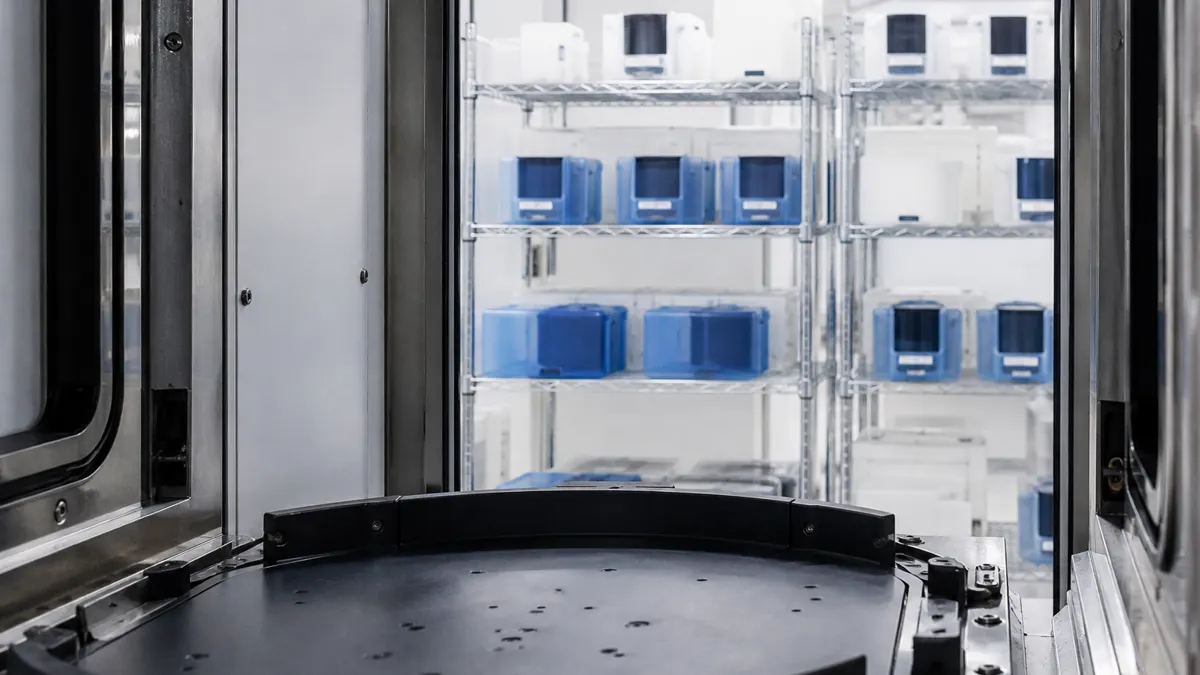
A full chuck and a full buffer are not the same picture. The tool can be in productive time while the lot is only aging. The dashboard does not have to lie for the stay to be long.
Read wafers per hour as a rate. Read hours in the line as a stay. When a slide says a tool is flying, the question is whether the lots in front of it are moving — or only the chuck is.