Mix-ups
Why wafer starts are not wafer outs
Wafer starts are releases. Wafer outs are completions. Work in process is the material still on the line. Plants put all three on the same operations slide. They do not share a clock, they do not share a denominator, and a full start board is not a shipping number.
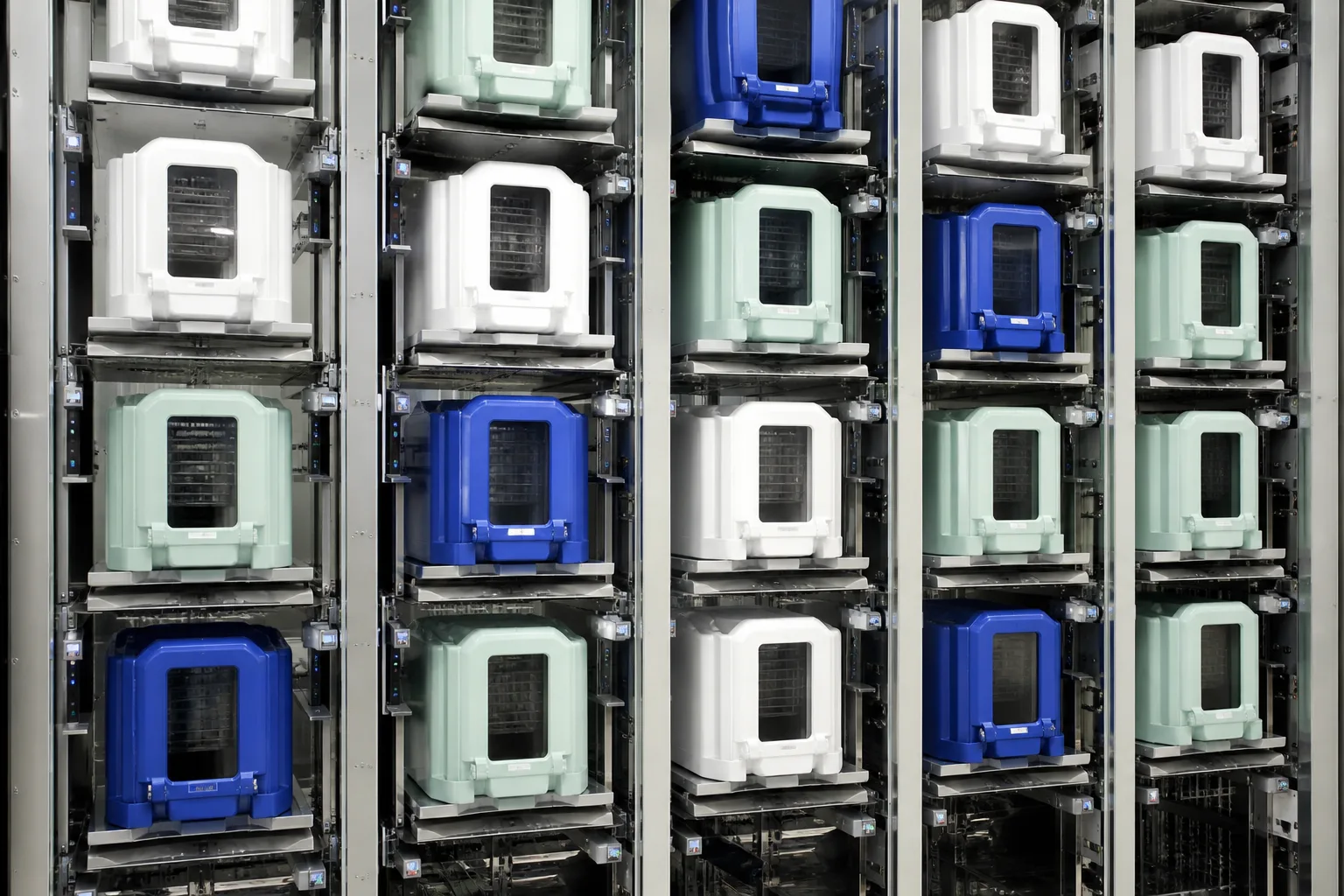
A start is a wafer that left the release point and entered the process flow in a given period. Capacity talk uses wafer starts per week because starts are one of the few knobs the factory can turn on Monday morning. The start plan is usually back-calculated from a throughput or sales goal and a line-yield assumption. Starting the wafer is not finishing it.
A stocker of pods does not resolve the split. The shelves may hold fresh releases, mid-line lots, or material that already failed a gate and has not been closed out. A busy rack is a logistics picture. It is not an outs picture.
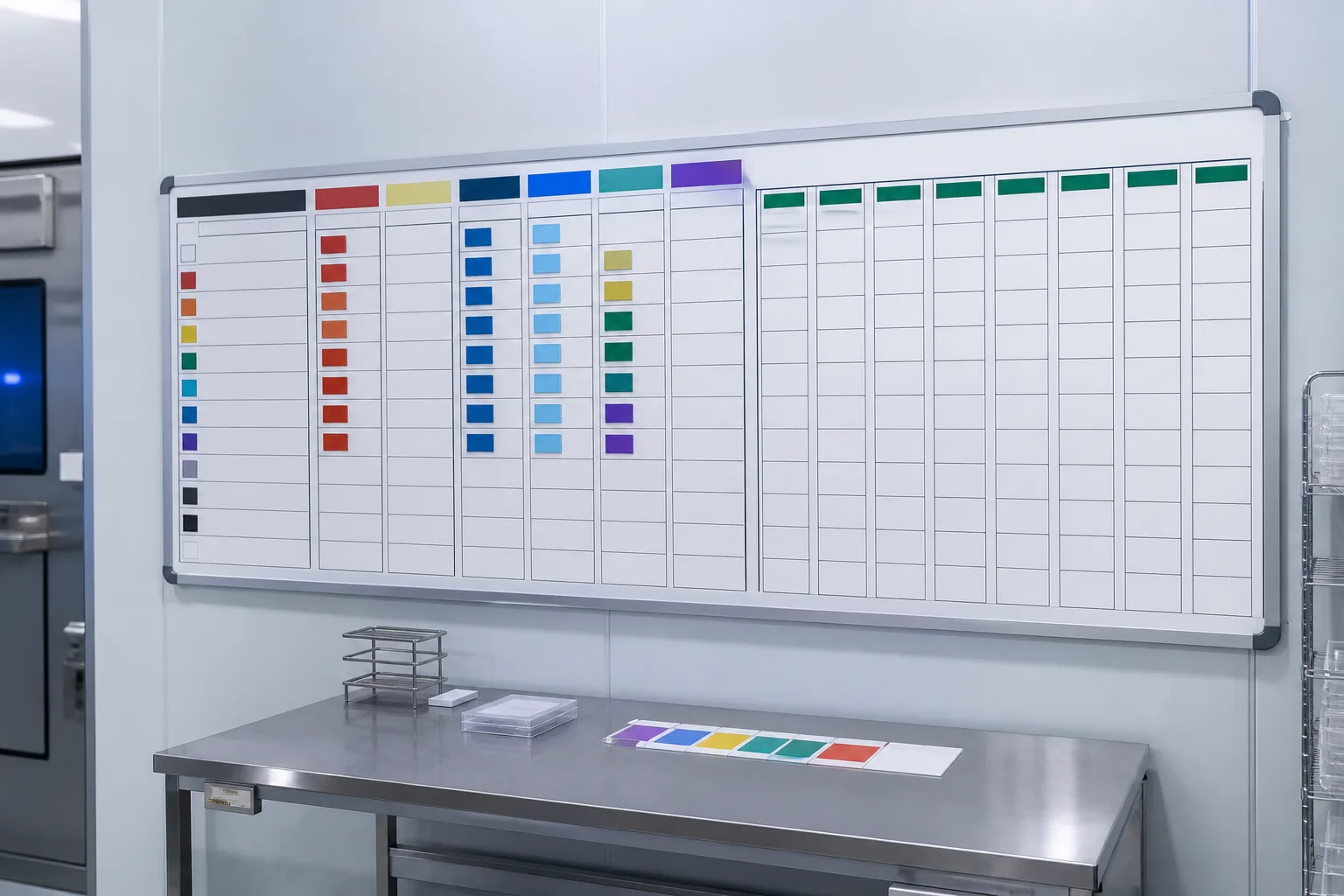
WIP is the inventory between those two events: lots on tools, in stockers, on the overhead hoist, or sitting in queue. In a factory, average WIP still tracks throughput times cycle time, so a fat WIP picture can mean the line is moving or that lots are waiting. A location count is not a completion count. Dispatch watches queues. Shipping watches exits. They share a building. They do not share a definition.
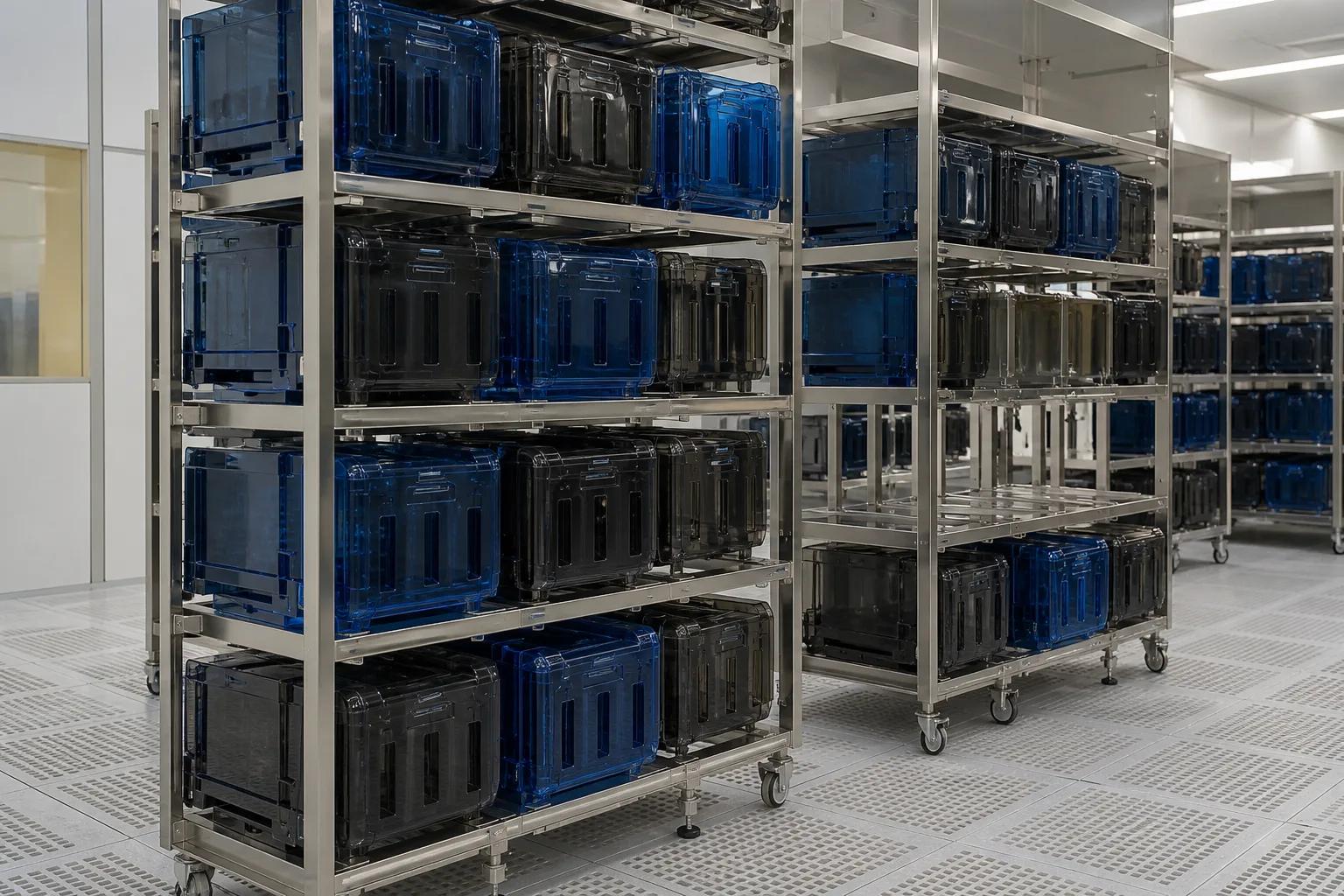
Outs are wafers that completed the flow in the period. Some shops say shipments. Some say good wafers out. The denominator argument starts immediately: all completions, or only the ones that will sell? Either way, outs are an exit. They lag starts by the cycle time of the flow. This week’s outs are earlier starts, minus scrap, minus whatever is still WIP.
The collapse is easy because all three figures are wafer counts, all three live on the same deck, and all three get worse when a constraint is sick. “We are at plan” does not say which plan. The wrong plan ships the wrong action: more starts into a line that cannot empty, or a shipping task force on a bay that is only quiet because release was cut.

There is a real coupling, just not an identity. Line yield is why, over a long window, outs sit below starts. In a short window the inequality can run the other way: the line is emptying, so outs exceed starts. A start surge into a jammed scanner grows WIP and stretches cycle time. A start cut can make the board look quiet while outs stay healthy as existing WIP drains. Factory cycle-time practice keeps starts, moves, WIP, and shipments on separate lines for that reason.

A pod of wafers is the right object. Count how many pods were released this week, and the picture is starts. Count how many are still in the racks, the hoist, or a loadport, and the picture is WIP. Count how many left the last step, and the picture is outs.
A wafer count on the floor is unfinished until the event is named. Released is starts. Still here is WIP. Finished is outs. The number on the start board is the easy part.